


It started as a captive chemical lab to keep the world taking photographs, but today it is quietly engineering the plastics inside your car, your smartphone, and your medical gear. The real story, though, is a massive pivot toward the circular economy that most legacy chemical companies are too slow to attempt. This specialty materials giant is turning plastic waste into high-end polymers at an industrial scale, spinning up a brand-new profit engine while keeping a massive dividend alive through sheer cash flow generation in a tough macro environment.
Eastman Chemical (EMN)
Financial Score: 86 / 99
Quick Tip
To keep your portfolio strong, stay on top of the financials for each company you hold. Solid companies mean better returns, so be sure to check in on their quarterly and annual numbers.Interesting stocks usually score 80+ on the Financial Scale, with top players hitting 90+. If that score dips below 80, it might be a good time to consider cutting ties before things take a turn.Eastman Chemical Company (EMN) is a Kingsport, Tennessee-based heavy-hitter in the global materials space. Originally spun out of Kodak back in 1994, it now runs four massive business segments that touch almost every industrial supply chain on earth, from transportation and building materials to consumables and agriculture. The modern iteration of the business is far less about basic commodity chemicals and much more about advanced materials, additives, and a rapidly expanding molecular recycling footprint that serves a global customer base.
Dividend math: high yield, extremely tight payout
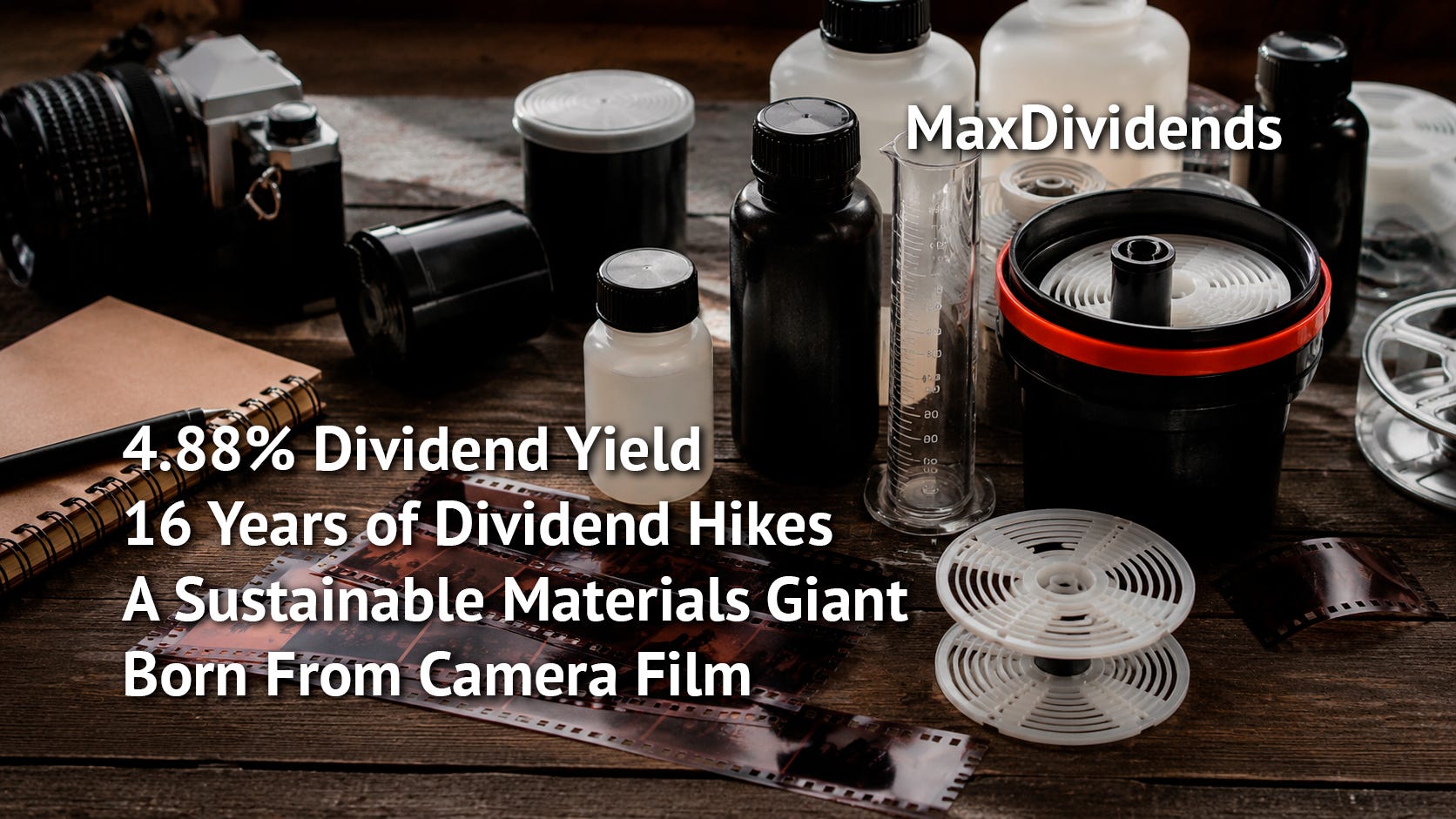
Eastman pays $3.36 per share annually, giving it a hefty 4.88% forward yield alongside a 5-year dividend-growth rate of +25.00%. The elephant in the room is the 97.39% payout ratio, which looks downright terrifying on a stock screener because it eats up almost all of the accounting net income. But the 16-year streak of hikes stays alive because the dividend is paid with cold hard cash, and the company still generates nearly a billion dollars in operating cash flow to cover the payout while aggressively funding its recycling plants. It is a tight rope to walk, but management has proven they prioritize the dividend even when the industrial cycle gets incredibly messy.
Q1 2026: sequential momentum amid geopolitical drag
For the first quarter ended March 31, 2026, Eastman posted sales of $2.177 billion, which dropped 5% year-over-year but actually climbed 10% sequentially. Adjusted EPS hit $1.09, beating the Wall Street consensus of $1.07, per the May 1, 2026 SEC-exhibited press release. The year-over-year drop reflects the nasty hangover from massive customer destocking and brutal energy costs, but the sequential bump shows the bleeding has stopped. They managed to push through $500 million in price hikes and saw a double-digit volume recovery in their specialty segments, proving they still have real pricing power when the macroeconomic backdrop turns actively hostile against manufacturers.
Growth story: the methanolysis ramp and circular economy
The real growth catalyst here is literally trash. Eastman is making a massive, highly profitable bet on molecular recycling, effectively breaking plastic waste down to the molecular level and turning it back into virgin-quality material. The Kingsport methanolysis facility went into overdrive in 2025, pumping out 2.5 times more recycled content than the year before and adding serious cash to the bottom line. For 2026, the company expects this recycling platform to add another $30 million in incremental earnings, backed by a plan to expand the facility’s capacity by 130% to meet demand from massive consumer brands hungry for sustainable packaging alternatives.
George Eastman’s acetic acid problem
Back in 1920, photography legend George Eastman was tired of relying on unpredictable supply chains for the acetic acid and methanol he needed to make Kodak camera film. He bought a defunct lumber plant in Tennessee and started making his own chemicals, along with a side hustle selling charcoal briquettes. That captive supply operation slowly mutated over seventy years into an independent chemical empire that eventually dwarfed its former parent company, leaving the cameras behind to focus purely on the science of materials.
Final take
Eastman offers a juicy 4.88% yield, a $3.36 annual payout, 16 years of dividend growth, and +25.00% 5-year growth. The bull case rests on sequential volume recovery and a molecular recycling platform that is finally delivering real earnings, but you cannot ignore the risks of that 97.39% payout ratio and heavy exposure to volatile energy costs. Financial Score: 86. This company is an interesting turnaround play with a unique technological moat, but the score suggests you need to dig deeper and recheck the financials—especially cash flow dividend coverage and the execution of the Kingsport capacity expansion—before treating this as a core income holding.